
CGM Medisoft Practice Management Software Review
Comprehensive analysis of CGM Medisoft features, capabilities, and user experiences
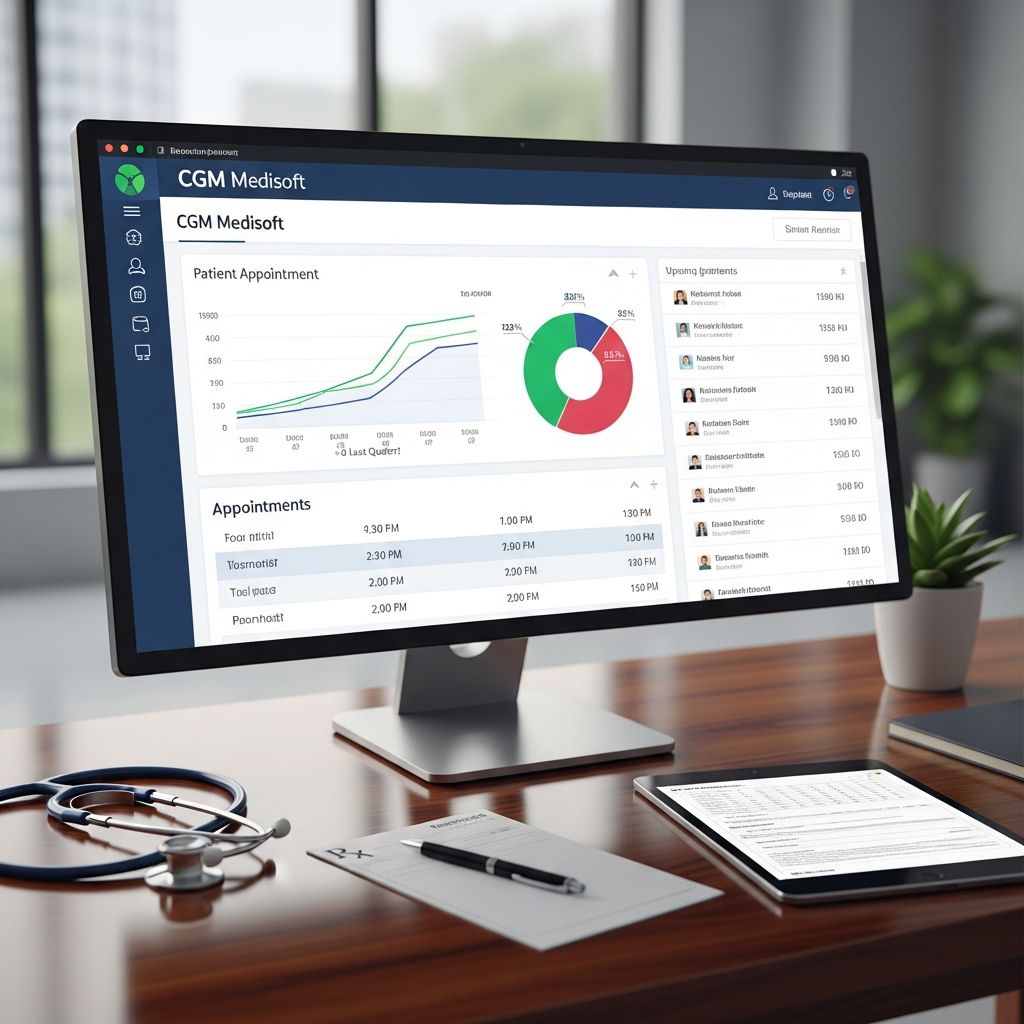
In today’s healthcare environment, selecting the right practice management software is crucial for medical offices seeking to streamline operations, improve billing accuracy, and enhance patient care. CGM Medisoft has emerged as a significant player in this space, particularly for independent practitioners and smaller medical facilities. This comprehensive review examines what sets this platform apart, evaluates its core capabilities, and provides insight into why healthcare providers continue to rely on this solution.
The Evolution and Current Standing of CGM Medisoft
CGM Medisoft represents a mature solution within the healthcare software industry, with a notable history of development and refinement. The platform has undergone several ownership transitions and technological upgrades that have shaped its current functionality. Originally developed under different corporate stewardship, the software now operates as part of CompuGroup Medical’s portfolio, which has allowed for continuous enhancement and integration with broader healthcare technology ecosystems.
The platform’s longevity in the market demonstrates its reliability and adaptability. Many independent physicians and small to medium-sized medical practices have adopted this system because it offers a balance between comprehensive functionality and accessibility for organizations without dedicated IT departments. The software’s evolution reflects the changing demands of healthcare delivery, including regulatory compliance requirements, patient engagement expectations, and the need for seamless data management.
Key Features and Functional Capabilities
CGM Medisoft delivers a suite of integrated tools designed to handle the full lifecycle of patient encounters and billing operations. Understanding these features helps medical professionals determine whether the platform aligns with their operational needs.
Patient Scheduling and Appointment Management
Modern scheduling capabilities form the foundation of efficient practice operations. CGM Medisoft provides customizable scheduling templates that adapt to various clinical specialties and workflow patterns. The system includes flexible calendar views that allow staff to manage appointments, handle no-shows, and coordinate resources effectively. The software’s scheduling interface has been enhanced to provide intuitive navigation, reducing training time for new staff members and minimizing data entry errors.
The platform supports online scheduling options in its latest versions, enabling patients to book appointments directly through patient portals. This capability reduces administrative burden on front-desk staff and improves patient satisfaction by providing convenient access to appointment booking outside standard business hours.
Electronic Health Records Integration
Clinical documentation capabilities within CGM Medisoft enable providers to maintain comprehensive patient health records within a single system. The platform offers customizable chart templates that reflect different clinical workflows and specialty-specific documentation requirements. Users can create structured notes, capture vital signs, record diagnoses, and document treatment plans in formats that support both clinical care and billing accuracy.
The system includes tools for managing scanned documents, lab results, and other clinical information that providers need to reference during patient encounters. This integrated approach to record management reduces the need for multiple disparate systems and helps maintain data consistency across the practice.
Billing and Claims Management
Revenue cycle management represents a critical component of practice sustainability. CGM Medisoft handles patient visit processing, claim generation, payment application, and collections activities. The software supports processing of secondary insurance claims, which is particularly important for practices serving patients with multiple coverage types. Automated claims submission capabilities help reduce processing time and minimize rejection rates caused by data errors.
The platform includes tools for managing patient statements, tracking outstanding balances, and implementing collection workflows. Real-time eligibility verification features help reduce claim denials by confirming patient coverage before appointments occur. This proactive approach to payment verification improves cash flow and reduces administrative follow-up work.
Reporting and Analytics
Robust reporting functionality enables practices to monitor financial performance, track clinical metrics, and identify operational inefficiencies. CGM Medisoft provides extensive pre-built reports covering billing activity, claims status, revenue analysis, and resource utilization. The reporting engine includes data filtering and customization capabilities that allow practices to focus on metrics most relevant to their operations.
Users can generate instant reports for immediate decision-making or schedule recurring reports for periodic review. The ability to export report data in multiple formats supports integration with practice management dashboards and financial analysis tools.
Software Configuration Options
CGM Medisoft is available in multiple versions designed to serve different practice sizes and complexity levels:
- Basic Edition: Includes fundamental features for patient visit processing, basic claim submission, payment tracking, and standard reporting capabilities. Suited for smaller independent practices with straightforward operational needs.
- Advanced Edition: Expands on basic features with enhanced reporting power, secondary claims processing, patient statement generation, and collections management tools. Designed for growing practices requiring more sophisticated financial analysis.
- Network Edition: Provides multi-user capabilities for larger practices or multi-location organizations, with centralized database management and distributed access controls.
User Experience and Accessibility Factors
Healthcare staff members spend significant portions of their workdays interacting with practice management software, making user interface design and intuitiveness particularly important. CGM Medisoft has maintained a focus on creating straightforward workflows that minimize the learning curve for new users.
The platform features clearly organized navigation menus, contextual help resources, and logical screen layouts that reflect common clinical workflows. Many users report that the interface becomes increasingly intuitive as they develop familiarity with the system. The software supports keyboard shortcuts and customizable toolbars, allowing experienced users to optimize their interaction patterns based on personal preferences.
Mobile compatibility has become increasingly important in healthcare environments where clinical staff members move frequently between treatment areas. The platform’s mobile capabilities allow staff to access patient information and update records from various locations within the practice facility.
Integration with External Systems
Modern healthcare practices often utilize multiple specialized software applications for specific functions. CGM Medisoft supports integration with external systems through various methods, including data export capabilities and API connections. The platform can exchange information with laboratory information systems, imaging systems, electronic prescription services, and other clinical systems commonly found in healthcare environments.
PDF compatibility features allow users to import, export, and display documents in portable document format, reducing the need to maintain records in multiple file formats. This flexibility supports practices transitioning from paper-based or hybrid documentation systems.
Pricing and Cost Structure
Healthcare organizations operating with limited capital budgets require transparent cost structures that align with their financial capacity. CGM Medisoft offers flexible pricing models designed to accommodate practices at different revenue levels and organizational sizes.
Pricing typically incorporates base licensing fees combined with optional add-on modules for specialized functionality. The modular approach allows practices to start with core capabilities and expand functionality as operational needs evolve or revenue increases. This scalability helps practices avoid purchasing unnecessary features while maintaining the option to add capabilities when requirements change.
Implementation costs, training expenses, and ongoing support should be evaluated alongside software licensing fees when assessing total cost of ownership. Many resellers offer bundled pricing that includes initial configuration, staff training, and extended support periods.
Support and Implementation Assistance
Transitioning to new software requires adequate training, configuration support, and ongoing assistance when questions or issues arise. CGM Medisoft is distributed through a network of qualified resellers who provide implementation services tailored to individual practice needs.
Quality implementation partners guide practices through system setup, data migration from legacy systems, workflow configuration, and staff training. Post-implementation support typically includes troubleshooting assistance, software updates, and guidance on utilizing advanced features effectively.
Direct support access through CompuGroup Medical’s support organization and community resources helps users resolve technical issues and learn best practices from experienced practitioners using the same platform.
Data Management and Security Considerations
Healthcare practices maintain sensitive patient information requiring strong security controls and compliance with regulatory requirements. CGM Medisoft incorporates security features designed to protect patient data including user authentication, access controls, and audit logging capabilities.
The platform supports regulatory compliance requirements including HIPAA privacy and security rules, state-specific healthcare regulations, and industry standards for medical data handling. Regular security updates and patches help protect against emerging threats and vulnerabilities.
Practices must implement appropriate organizational security controls including regular staff training, strong password policies, and monitoring of user access patterns to maximize the security benefits of the software platform.
Comparative Positioning Within the Market
The healthcare practice management software market includes various solutions ranging from basic billing-focused systems to comprehensive platforms offering clinical documentation, scheduling, and advanced analytics. CGM Medisoft occupies a middle position, offering more advanced functionality than simple billing systems while remaining more accessible than enterprise-level platforms designed for large health systems.
This positioning makes CGM Medisoft particularly well-suited for independent practitioners, small group practices, and specialty clinics. The software’s feature set addresses the most critical operational needs of these organization types without overwhelming users with enterprise-level complexity.
Real-World Application and Practitioner Feedback
Healthcare providers who have implemented CGM Medisoft generally report that the software successfully handles day-to-day operational requirements. Users frequently highlight the user-friendly interface as a significant advantage, particularly for practices with limited IT support resources.
Practitioners appreciate the flexibility of the system to accommodate specialty-specific workflows and the ability to customize templates and reports based on individual practice needs. The billing and claims management functionality consistently receives positive feedback for reducing administrative burden and improving revenue cycle efficiency.
Some practitioners note that while the software handles standard workflows effectively, certain specialized needs may require customization or integration with additional specialized tools. Practices with unique operational requirements should carefully evaluate whether standard functionality meets their specific needs.
Future Considerations and Platform Development
Healthcare technology continues evolving to address emerging clinical and operational needs. CGM Medisoft’s ongoing development incorporates enhancements to interoperability capabilities, user interface improvements, and expanded functionality for remote care delivery and patient engagement.
Practices considering CGM Medisoft should evaluate the platform’s roadmap and vision for addressing future healthcare delivery models, including telehealth capabilities, expanded patient portal features, and integration with emerging clinical technologies.
Frequently Asked Questions
Who should consider implementing CGM Medisoft?
Independent physicians, small group practices, specialty clinics, and healthcare organizations with fewer than 50 employees typically find CGM Medisoft well-suited to their operational needs. The platform’s cost structure and functionality level make it particularly attractive for organizations seeking to balance capability with affordability.
How long does implementation typically require?
Implementation timelines vary based on practice size, complexity, and data migration requirements. Typical implementations range from two to eight weeks, with smaller practices often completing setup more quickly than larger organizations.
What ongoing costs should practices anticipate?
Beyond initial licensing fees, practices should budget for annual maintenance and support fees, which typically range from 15-20% of the base license cost. Additional expenses may include training for new staff members and optional add-on modules.
Can existing patient data be imported from other systems?
Yes, implementation partners typically assist with data migration from legacy systems. The approach depends on the source system format and the volume of data requiring transfer.
Does CGM Medisoft integrate with electronic health record systems?
The platform itself includes basic EHR functionality, and integration with external EHR systems is possible through supported connection methods and APIs.
References
- CGM CLINICAL Practice Management and EHR Features and Functionality — CompuGroup Medical. 2024. https://www.cgm.com/usa_en/products/electronic-health-records/other-ehrs/cgm-clinical-pm-and-ehr.html
- CGM MEDISOFT User’s Guide – Version Overview and Capabilities — MediPro, Inc. 2024. https://www.medipro.com/wp-content/uploads/2024/12/CGM-Medisoft-User-Guide.pdf
- Medisoft Reviews and Pros and Cons — EHR Guide. 2024. https://ehrguide.org/ehr-reviews/medisoft-reviews-pros-cons/
- HIPAA Security Rule – Administrative, Physical, and Technical Safeguards — U.S. Department of Health and Human Services. 2013. https://www.hhs.gov/hipaa/for-professionals/security/index.html
Similar Articles




Read full bio of medha deb