Cleanfeed Audio Platform: Features, Pricing & User Insights
Comprehensive guide to Cleanfeed's capabilities for remote audio production and podcasting
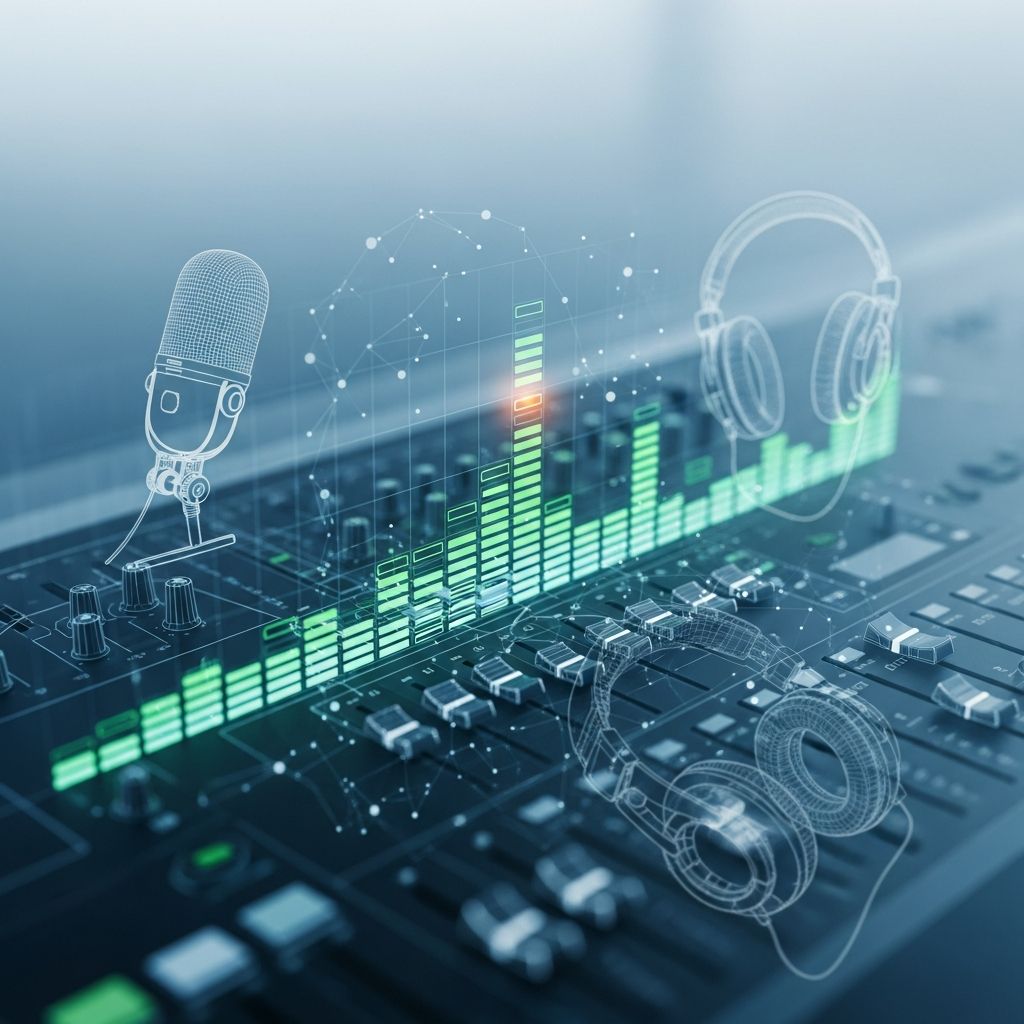
In today’s digital landscape, producing high-quality audio content remotely has become essential for podcasters, broadcasters, radio professionals, and voice actors. Cleanfeed emerges as a dedicated solution designed to meet the demands of professionals who require reliable, crystal-clear audio transmission across distances. This online studio platform has gained recognition for bridging the gap between accessibility and professional-grade audio production, making it an attractive option for content creators at various experience levels.
Understanding Cleanfeed’s Core Purpose and Design Philosophy
Cleanfeed operates as a specialized cloud-based audio production environment tailored specifically for scenarios where multiple participants need to collaborate on audio content without geographical constraints. Unlike general-purpose recording software, Cleanfeed focuses exclusively on delivering pristine audio quality while maintaining an intuitive user interface that doesn’t overwhelm newcomers to audio production.
The platform’s architecture centers on enabling seamless connection between recording participants, whether they’re located across the room or across continents. This design philosophy recognizes that modern content creation often involves distributed teams and remote collaborators, necessitating a solution that prioritizes both connection reliability and audio fidelity.
Audio Quality Standards and Technical Capabilities
A standout characteristic of Cleanfeed involves its commitment to superior audio transmission standards. The platform utilizes advanced codec technology, specifically incorporating OPUS codec capabilities, which represents a modern approach to audio compression that maintains exceptional clarity while managing bandwidth efficiently.
Users consistently report that Cleanfeed delivers what they describe as studio-quality sound reproduction. This isn’t merely marketing language—the technical implementation reflects genuine attention to audio preservation. The platform’s architecture minimizes common problems associated with remote audio capture, such as compression artifacts, latency issues, and signal degradation that plague many free or lower-tier solutions.
The audio capture methodology employed by Cleanfeed emphasizes what industry professionals call a “direct feed” approach. This means the platform captures pure audio signals with minimal processing overhead, preserving the natural characteristics of voice and instruments during initial recording phases. This approach gives producers greater flexibility during post-production editing and mixing.
Primary Use Cases and Application Scenarios
Cleanfeed serves multiple distinct professional contexts, each with specific requirements:
- Podcast Production: Content creators managing independent shows or network productions benefit from Cleanfeed’s reliable connection protocols and multi-participant support, enabling interview-based content with remote guests.
- Radio Broadcasting: Professional broadcasters utilize Cleanfeed for live on-air interviews, remote reporter feeds, and distributed show production where quality cannot be compromised.
- Voice Acting and Narration: Audio professionals conducting remote voiceover sessions or collaborative recording projects rely on Cleanfeed’s clean audio paths to capture performances without unwanted background noise or transmission artifacts.
- Remote Interviews: Journalists, researchers, and content developers conducting interviews with geographically dispersed subjects leverage Cleanfeed’s connection stability for uninterrupted conversations.
- Music and Audio Projects: Musicians and producers engaged in remote collaboration use Cleanfeed to capture instrumental performances and vocal recordings with fidelity suitable for professional music production standards.
Pricing Structure and Financial Considerations
Cleanfeed operates on a tiered subscription model, providing flexibility for different user needs and budget constraints. Understanding the pricing architecture helps potential users identify which plan aligns with their production requirements.
| Plan Tier | Monthly Cost | Typical Use Case |
|---|---|---|
| Entry Level | $12/month | Occasional podcast users and part-time broadcasters |
| Standard Plan | $17/month | Regular content creators and small production teams |
| Professional Plan | $31.49/month | Full-time broadcasters and production studios |
| Commercial License | $199.99/license | Organizations needing enterprise-level deployment |
The platform distinguishes itself by imposing no setup fees, removing financial barriers to initial adoption. This approach democratizes access to professional-grade audio tools for creators just starting their audio production journey. The cost structure reflects an accessible entry point while providing upgrade pathways for expanding operations.
User Experience and Interface Design
Industry feedback consistently highlights Cleanfeed’s user-friendly interface as a significant advantage. The platform achieves an optimal balance between functionality and simplicity—users can access sophisticated audio recording capabilities without navigating unnecessarily complex menu systems or requiring extensive technical training.
Connection establishment represents one area where Cleanfeed particularly excels. Initiating recording sessions with remote participants involves straightforward procedures, typically requiring minimal technical intervention. This accessibility encourages more spontaneous, natural interactions during recording sessions, as participants spend less time troubleshooting connection issues and more time focusing on content quality.
The interface design philosophy emphasizes immediate feedback and transparent status indicators, allowing users to identify connection quality, audio levels, and recording status at a glance. This transparency builds confidence during live recording sessions where technical failures pose significant risks to content schedules.
Comparative Positioning Within the Audio Software Landscape
When evaluated against competing platforms, Cleanfeed occupies a distinctive niche. While general audio editing software like Logic Pro X and Cubase offers comprehensive post-production capabilities, they emphasize local recording and studio-based workflows. Collaborative solutions like Descript introduce innovative approaches combining transcription, multitrack editing, and publishing capabilities.
Cleanfeed differentiates itself by maintaining laser focus on remote audio capture excellence. Rather than attempting to be everything to every audio professional, the platform excels specifically at what it does—enabling distributed teams to record together with exceptional audio quality. This specialization appeals to professionals who want a focused tool optimized for connection scenarios rather than a generalist platform.
Real-World Performance Assessments from Users
Testimonials from active Cleanfeed users reveal consistent appreciation for several specific attributes. Professionals engaged in broadcasting consistently mention the platform’s reliability during live sessions, noting that connection stability directly supports their ability to maintain broadcast schedules without unexpected technical interruptions.
Interview-focused users praise the directness of the connection experience—participants on remote ends of the line appreciate that they’re not required to navigate complex technical requirements, enabling more natural conversation flow. This accessibility benefit extends to expert guests who may lack technical sophistication but whose insights are valuable to content.
Long-term users report that Cleanfeed’s audio quality has consistently met professional expectations across extended use periods. Unlike platforms showing degradation or reliability issues over time, Cleanfeed maintains performance characteristics that initial users experienced, suggesting robust infrastructure and ongoing platform maintenance.
Feature Set Overview and Functional Capabilities
Beyond basic recording functionality, Cleanfeed incorporates features specifically designed to enhance professional production workflows. Local recording capabilities allow users to maintain backup recordings on their own systems, providing redundancy against potential cloud service interruptions. This dual-recording approach aligns with professional broadcasting standards that demand data preservation.
The platform supports multiple participant connections simultaneously, accommodating multi-person interview formats, panel discussions, and collaborative recording scenarios common in modern content production. Connection management tools enable moderators or producers to control participant audio levels and manage session flow.
Integration capabilities with existing production workflows allow Cleanfeed to function as one component within larger production ecosystems rather than requiring wholesale adoption of a completely new system. This modularity appeals to established production operations already invested in particular software configurations.
Considerations for Potential Adopters
Organizations evaluating Cleanfeed should consider several factors relative to their specific operational context. Teams already embedded within particular audio production ecosystems may need to evaluate integration complexity and learning curve implications. However, the platform’s straightforward design typically minimizes onboarding difficulties even for experienced audio professionals transitioning from other solutions.
Scalability represents another consideration—as production operations expand, subscription tier progression paths ensure the platform can accommodate growth without requiring wholesale migration to different systems. The tiered structure supports both bootstrapping individual creators and established commercial operations.
International users benefit from Cleanfeed’s cloud-based architecture, which inherently supports geographically dispersed participants. The codec implementation and connection protocols optimize performance across varied network conditions, making the platform reliable for participants in different regions with potentially different internet infrastructure quality.
Integration Within Modern Content Production Ecosystems
Cleanfeed functions most effectively when integrated with complementary tools and workflows. Post-production editing software handles refinement after Cleanfeed captures the initial audio content. Hosting platforms, distribution networks, and publishing systems work downstream from Cleanfeed’s core recording function.
This modular approach means Cleanfeed doesn’t require users to abandon existing tools they’ve already optimized around. Instead, the platform provides specialized excellence in the remote audio capture phase while remaining agnostic about downstream production activities.
Supporting Professional Growth and Scaling Operations
Whether operating as solo content creators or managing teams within established production companies, users can scale their Cleanfeed deployments as production requirements evolve. The subscription model removes capital expenditure barriers associated with traditional software licensing, enabling gradual investment increases aligned with revenue growth from content operations.
Professional broadcasters migrating from traditional studio-based workflows to distributed remote production often cite Cleanfeed as instrumental in enabling successful transitions. The platform’s reliability supports their ability to maintain professional standards while gaining flexibility that remote operations provide.
Final Assessment
Cleanfeed represents a purposeful solution designed specifically for remote audio professionals who refuse to compromise on quality. Rather than attempting to compete across the entire audio software landscape, the platform excels within its defined scope—enabling distributed teams to record pristine audio content reliably. For podcasters, broadcasters, interviewers, and audio professionals whose workflows center on capturing quality audio across distances, Cleanfeed delivers technical excellence paired with user-friendly accessibility. The transparent pricing structure and modular integration approach make the platform accessible regardless of production scale or experience level.
References
- OPUS Codec Specification — Internet Engineering Task Force (IETF). 2012. https://tools.ietf.org/html/rfc6716
- Podcast Production Standards — National Association of Broadcasters (NAB). 2024. https://www.nab.org
- Remote Audio Recording Best Practices — Audio Engineering Society (AES). 2023. https://www.aes.org
Similar Articles



Read full bio of medha deb