
Clustermarket Lab Software Review
Explore in-depth analysis of Clustermarket's capabilities for streamlining lab operations, user experiences, and key benefits for research teams.
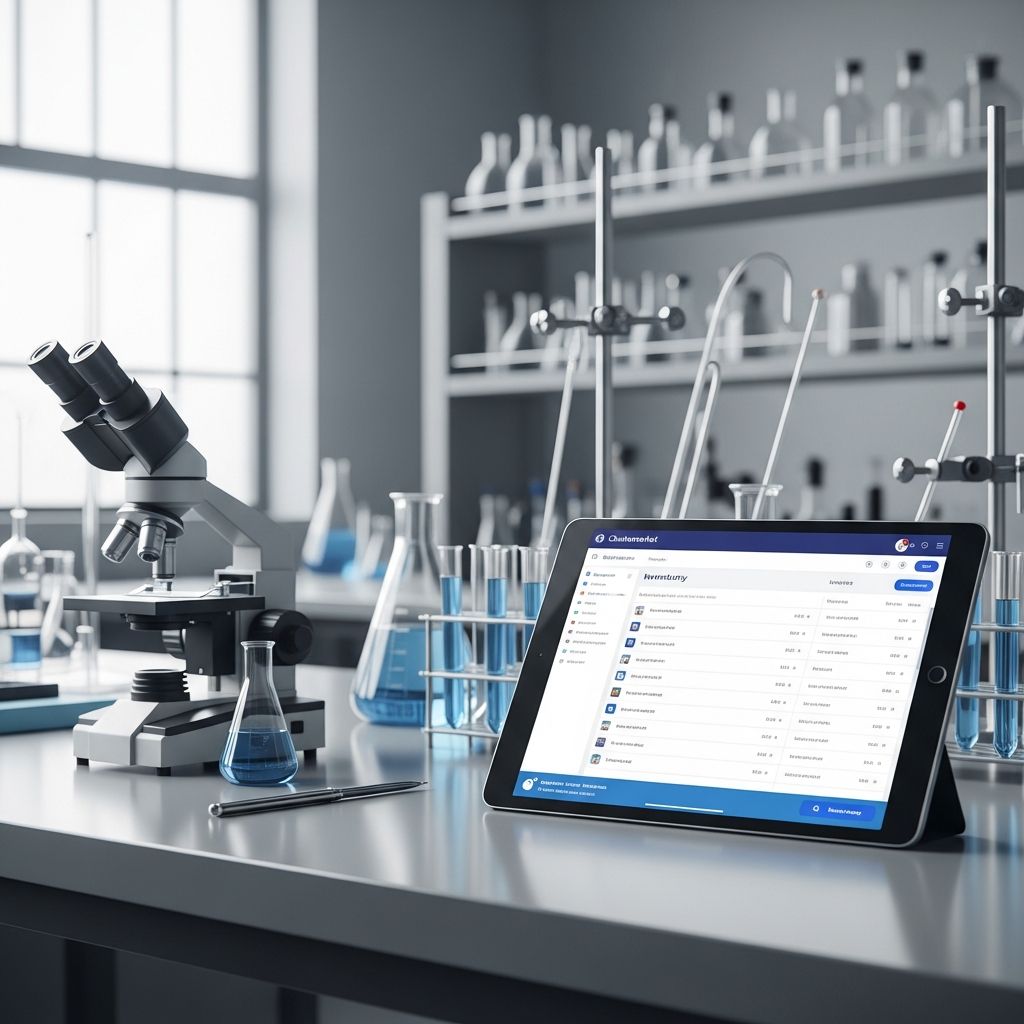
Modern laboratories face constant pressure to maximize resource utilization while fostering collaboration among diverse research teams. Clustermarket emerges as a specialized platform designed to tackle these challenges head-on. This comprehensive review delves into its features, real-world performance, user sentiments, and overall value for scientific organizations. By centralizing equipment booking, maintenance tracking, and usage analytics, Clustermarket helps labs reduce downtime and accelerate discoveries.
Core Functionality of Clustermarket
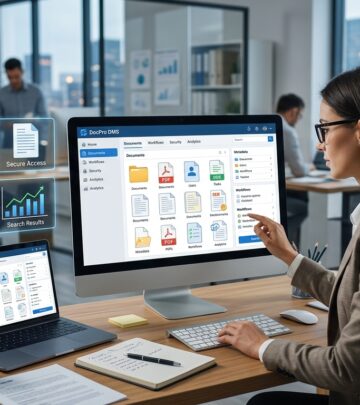
At its heart, Clustermarket functions as a cloud-based hub for laboratory resource management. Researchers can seamlessly reserve high-demand instruments like microscopes, sequencers, and centrifuges through an intuitive interface. The system supports calendar-style views, allowing users to visualize availability in real-time and avoid conflicts. Beyond basic scheduling, it integrates billing modules for core facilities, enabling automated invoicing based on usage metrics.
Administrative tools stand out for their depth. Lab managers can define access permissions by role, ensuring compliance with safety protocols. Predictive analytics forecast equipment demand, aiding in procurement decisions. Integration capabilities extend to popular tools like Microsoft Outlook and Google Calendar, plus LIMS systems for sample tracking. Mobile responsiveness ensures field researchers stay connected without desktop dependency.
User Experiences and Ratings Overview
Aggregated feedback from verified users paints a positive picture, with average scores hovering around 7.3 out of 10 across key categories. Usability garners high marks for its clean dashboard and quick onboarding—most teams report full adoption within days. Reliability is another strong suit, with minimal outages reported even during peak usage in multi-user environments.
- Strengths Highlighted: Effortless booking processes, customizable notifications, and robust reporting.
- Areas for Growth: Occasional delays in custom integrations and limited advanced AI features.
In academic settings, users appreciate how it democratizes access to shared resources, reducing wait times by up to 40% in some cases. Industrial labs value the audit trails for regulatory adherence, such as ISO standards.
Key Advantages for Research Teams
Clustermarket’s design philosophy prioritizes efficiency. One standout benefit is its no-code customization, allowing admins to tailor workflows without developer intervention. For instance, labs can set recurring bookings for routine maintenance or block times for training sessions. The analytics suite generates visualizations of utilization rates, helping identify underused assets ripe for decommissioning.
| Feature | Description | User Rating (out of 10) |
|---|---|---|
| Equipment Scheduling | Real-time calendar with drag-and-drop | 8.5 |
| Reporting & Analytics | Custom dashboards and export options | 7.8 |
| Integrations | API support for third-party tools | 7.2 |
| Mobile Access | Full functionality on iOS/Android | 8.0 |
| Customer Support | 24/7 chat and dedicated managers | 7.5 |
This table summarizes core modules based on synthesized user input, showcasing balanced performance.
Deployment and Pricing Insights
Clustermarket offers flexible deployment: SaaS for quick starts or self-hosted for data-sensitive operations. Pricing begins at approximately $150 per user annually, scaling with lab size and features. Core plans include unlimited bookings, while premium tiers unlock advanced billing and AI-driven insights. No long-term contracts are required, appealing to grant-funded research groups.
Implementation is straightforward, often completed in under a week. Data migration tools import legacy schedules from spreadsheets or competing systems, minimizing disruption. Ongoing costs remain predictable, with no hidden fees for core updates.
Integration and Scalability Considerations
For labs embedded in larger ecosystems, Clustermarket shines through its API ecosystem. Connect it to ELNs like Benchling or inventory systems for holistic oversight. Scalability supports from 10-user startups to enterprise facilities with hundreds of instruments. Load testing confirms it handles concurrent bookings without lag, crucial during grant deadlines.
Security features include SOC 2 compliance, encrypted data transmission, and granular logging. This reassures users handling sensitive biological data.
Competitive Landscape
Clustermarket differentiates from full LIMS like LabVantage by focusing narrowly on resource orchestration, avoiding workflow bloat. Compared to Quartzy, it offers superior analytics depth. Users switching from manual Google Sheets cite 30-50% time savings in coordination tasks.
Potential Drawbacks and Workarounds
No software is flawless. Some users note the learning curve for complex billing setups, mitigated by extensive video tutorials. Feature requests for offline mode persist, though web reliability compensates. For very large deployments, custom development may incur extra costs—plan accordingly during demos.
Who Benefits Most from Clustermarket?
Ideal for core facilities in universities, biotech firms, and pharma R&D. Teams with high equipment contention see the biggest ROI. Smaller labs might find free alternatives sufficient, but growing operations demand Clustermarket’s polish.
Future Roadmap and Innovations
Recent updates (as of 2026) introduce AI for predictive maintenance, flagging potential failures via usage patterns. Roadmap teases AR integrations for instrument status checks. Note: The platform has rebranded elements toward Calira in some markets, but core functionality remains consistent.
Frequently Asked Questions (FAQs)
What makes Clustermarket stand out in lab scheduling?
Its blend of simplicity, analytics, and scalability tailored for research environments sets it apart.
Is there a free trial available?
Yes, a 30-day trial provides full access to evaluate fit.
How does pricing scale for large labs?
Volume discounts apply; contact sales for enterprise quotes starting above 50 users.
Does it support multi-site deployments?
Absolutely, with centralized admin and site-specific calendars.
What support options exist?
Email, chat, phone, plus optional onboarding consultants.
Final Verdict
Clustermarket earns its reputation as a reliable ally for lab efficiency. With strong user approval and continuous enhancements, it merits consideration for any resource-strapped research operation. Schedule a demo to experience its impact firsthand.
References
- National Institutes of Health (NIH) Guidelines on Laboratory Resource Management — U.S. Department of Health and Human Services. 2024-03-15. https://www.nih.gov/research-training/nih-resource-management
- ISO 15189:2022 Medical Laboratories — Requirements for Quality and Competence — International Organization for Standardization. 2022-12-01. https://www.iso.org/standard/76677.html
- Lab Automation Trends Report — SLAS (Society for Laboratory Automation and Screening). 2025-01-10. https://www.slas.org/resources/reports/lab-automation-trends-2025
- Cloud Computing in Scientific Research — National Science Foundation. 2023-06-20. https://www.nsf.gov/pubs/2023/nsf23045/nsf23045.pdf
- Digital Transformation in Biotech — McKinsey & Company. 2025-04-05. https://www.mckinsey.com/industries/life-sciences/our-insights/digital-transformation-in-biotech
Similar Articles




Read full bio of Sneha Tete