
ConexED Platform: Comprehensive Student Success Solution
Discover how ConexED transforms student engagement through integrated scheduling and collaboration tools
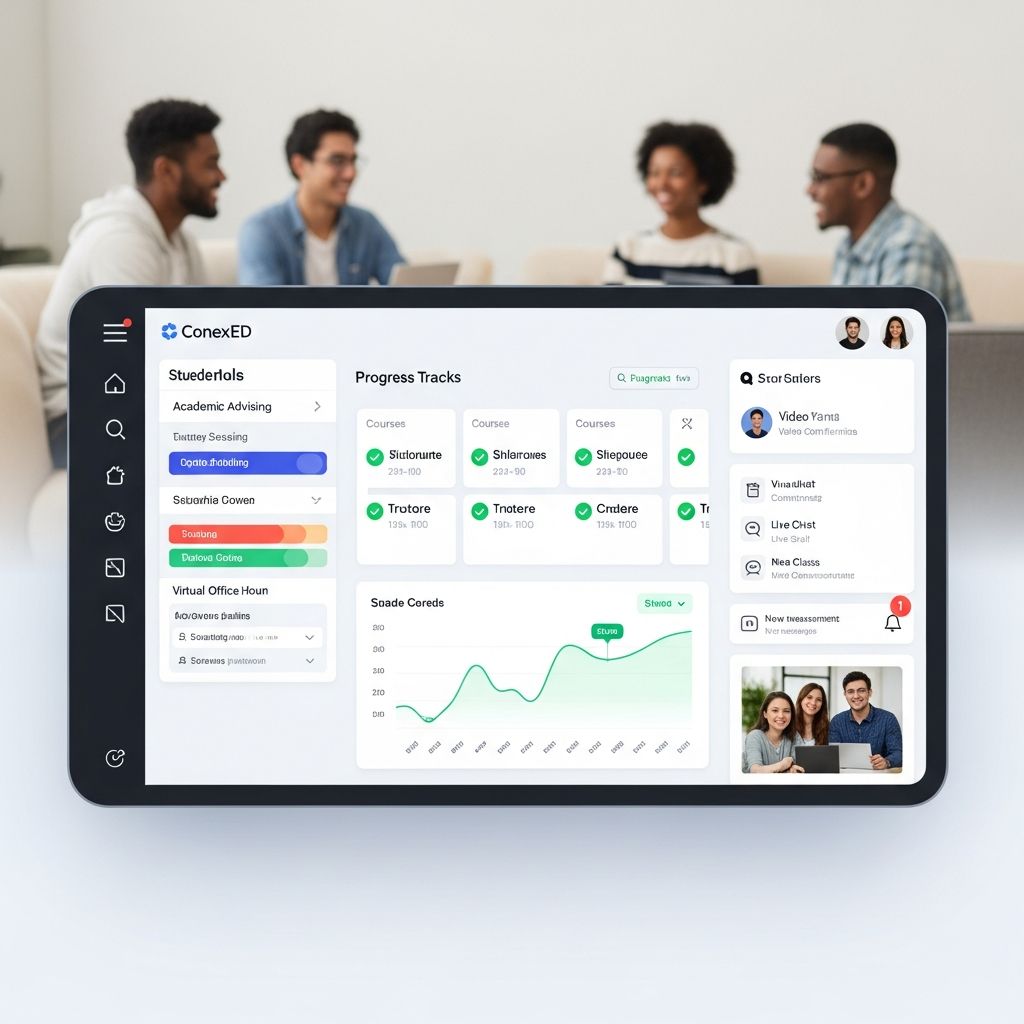
In today’s educational landscape, institutions face mounting pressure to deliver seamless student experiences while maintaining operational efficiency. ConexED emerges as a transformative solution, addressing the complex needs of modern educational environments through an integrated approach to student engagement and service delivery. This platform represents a significant advancement in how educational institutions can organize, communicate, and collaborate with their student populations.
What Constitutes a Modern Student Success Platform?
A student success platform fundamentally differs from traditional communication tools by consolidating multiple functions into a single ecosystem. Rather than forcing students and staff to navigate disparate systems for scheduling, messaging, video conferencing, and document sharing, comprehensive platforms like ConexED create unified environments where all interactions occur within a cohesive interface. This integration reduces friction in the student journey, from initial admissions inquiries through graduation and beyond.
The modern approach to student success recognizes that each interaction point represents an opportunity to either facilitate or hinder progress. Whether a student needs to schedule an appointment with an advisor, join a tutoring session, submit documents, or receive real-time support, the platform should enable these activities without requiring users to toggle between multiple applications or remember different login credentials.
Core Functional Capabilities
ConexED provides institutions with a robust toolkit for managing the full spectrum of student-facing and internal operations:
- Appointment Management Systems: Educational institutions can establish comprehensive scheduling frameworks that allow students to book one-on-one meetings, attend group sessions, or register for events directly through an intuitive calendar interface. This functionality streamlines what traditionally required phone calls, emails, or in-person visits to physical offices.
- Video Conferencing Infrastructure: High-definition video and audio capabilities enable institutions to conduct remote tutoring sessions, virtual office hours, orientation programs, and small group discussions. The platform incorporates accessibility features ensuring that all students, regardless of physical abilities, can participate fully in video-based interactions.
- Real-Time Communication Channels: Instant messaging functionality allows direct communication between students and support staff, reducing response times and enabling quick clarification of questions. Chat sessions can be recorded as formal appointments with notation systems for follow-up purposes.
- Collaborative Learning Tools: Interactive whiteboards, screen sharing capabilities, and document collaboration features transform how instructional staff and students work together during remote sessions, creating engagement levels comparable to in-person interactions.
- Document Management and Sharing: Students can securely upload and share required materials, while staff can distribute resources, assignments, and institutional communications through centralized repositories.
Integration with Institutional Systems
A critical differentiator for ConexED lies in its ability to integrate seamlessly with existing institutional infrastructure. Educational organizations typically operate multiple backend systems including Learning Management Systems (LMS) for course delivery, Student Information Systems (SIS) for enrollment and academic records, and calendar applications for scheduling coordination.
ConexED’s multidimensional API architecture enables bi-directional communication with these systems, eliminating duplicate data entry and ensuring consistency across platforms. When an institution implements this integration approach, student data remains synchronized, calendar information flows automatically between systems, and reporting becomes more comprehensive and accurate.
Compliance and Security Considerations
Educational institutions operate under stringent regulatory frameworks protecting student privacy and accessibility rights. ConexED addresses these requirements through built-in compliance mechanisms:
- FERPA Compliance: The Family Educational Rights and Privacy Act governs how institutions handle and share student educational records. ConexED’s architecture ensures that all student data handling adheres to these federal requirements, with granular access controls determining who can view specific information.
- ADA Accessibility: The Americans with Disabilities Act mandates that digital tools must be accessible to individuals with disabilities. ConexED incorporates accessibility standards throughout its interface, ensuring that students with visual, hearing, mobility, or cognitive disabilities can utilize all platform features effectively.
- HIPAA Considerations: For institutions offering health-related services or counseling, Health Insurance Portability and Accountability Act requirements govern how sensitive health information is protected. ConexED’s secure connection protocols and encryption standards accommodate these healthcare privacy standards.
- Data Encryption: All student communications traverse secure channels with encryption applied both in transit and at rest, protecting sensitive information from unauthorized access.
Operational Benefits for Educational Staff
While student experience receives appropriate emphasis, ConexED also delivers substantial operational advantages for institutional staff. Administrative personnel, advisors, counselors, and faculty members benefit from streamlined workflows that reduce time spent on routine coordination tasks.
The platform automates appointment reminder systems, reducing no-shows and administrative follow-up requirements. Staff members gain visibility into student interaction patterns through analytics dashboards, identifying students who may require additional support or intervention. Reporting capabilities eliminate the need for manual data compilation, enabling administrators to quickly generate performance metrics and compliance documentation.
Analytics and Institutional Insights
ConexED’s business intelligence functionality transforms raw interaction data into actionable institutional insights. Rather than requiring separate analytics software, institutions can access comprehensive dashboards directly within the platform. These dashboards track:
- Student engagement metrics across different service areas and time periods
- Appointment completion rates and no-show patterns
- Peak usage times and resource allocation optimization opportunities
- Department-specific performance comparisons
- Longitudinal tracking of student progress toward institutional goals
This data-driven approach enables institutional leadership to make evidence-based decisions regarding resource allocation, staffing levels, and program modifications.
Scalability Across Institutional Sizes
ConexED accommodates diverse organizational contexts, from small tutoring operations to large multi-campus university systems. The platform’s cloud-based architecture eliminates infrastructure limitations, allowing institutions to expand usage as needs evolve without requiring significant technical investments.
Individual departments or service units can implement the platform independently, or entire institutions can deploy it comprehensively across all student-facing functions. This flexibility enables phased implementation approaches, allowing organizations to build proficiency and gather best practices before expanding usage campus-wide.
User Experience and Interface Design
Technology adoption succeeds only when users find interfaces intuitive and navigation straightforward. ConexED emphasizes accessibility in its design philosophy, enabling students unfamiliar with educational technology to quickly understand how to schedule appointments, join video sessions, or locate important documents.
The platform recognizes that users approach technology with varying comfort levels and technical expertise. Interface elements utilize familiar conventions—calendar representations for scheduling, video icons for meeting invitations, chat bubbles for messaging—reducing the learning curve for new users.
Frequently Asked Questions
How does ConexED differ from general-purpose video conferencing applications?
While tools like Zoom or Microsoft Teams provide video conferencing functionality, ConexED integrates scheduling, messaging, document management, and institutional system connectivity specifically designed for educational contexts. General-purpose tools require manual coordination of appointments and external scheduling systems, whereas ConexED automates these workflows natively.
What implementation timeline should institutions expect?
Implementation duration varies based on institutional size and complexity, but typical deployments occur over several months, beginning with core functionality and expanding to additional modules. Cloud-based deployment eliminates extensive infrastructure work, accelerating go-live timelines compared to on-premise solutions.
Can ConexED accommodate multiple campuses or distributed institutions?
Yes, the platform’s cloud architecture natively supports multi-campus deployments, allowing students and staff across geographically dispersed locations to utilize consistent interfaces and integrated systems without requiring separate implementations.
How does the platform handle high-capacity usage periods?
Cloud-based architecture automatically scales resource allocation to accommodate usage spikes, such as during registration periods or peak advising times, ensuring consistent performance regardless of demand fluctuations.
What training and support resources are available to institutions?
Providers typically offer comprehensive onboarding programs, documentation, video tutorials, and ongoing support to help institutions maximize platform utilization and troubleshoot issues as they arise.
Emerging Trends in Educational Technology Integration
ConexED represents broader industry trends toward integrated, cloud-based solutions that consolidate educational functions. Institutions increasingly recognize that fragmented systems create inefficiencies and poor user experiences. The movement toward comprehensive platforms reflects institutional understanding that holistic student support requires integrated technology ecosystems.
Additionally, the pandemic accelerated adoption of remote and hybrid instructional models, creating lasting demand for robust virtual meeting and collaboration infrastructure. Educational institutions that previously viewed virtual capabilities as supplementary now recognize them as core operational requirements, driving investment in platforms like ConexED that provide reliable, feature-rich remote collaboration environments.
Considerations for Institutional Decision-Making
Educational leaders evaluating student success platforms should assess alignment with institutional priorities, existing technology infrastructure, budget parameters, and long-term strategic objectives. Successful implementations typically involve stakeholder input from multiple constituencies—students, faculty, staff, and administrators—ensuring that technology selections reflect diverse organizational needs.
Institutions should evaluate whether platform capabilities address their most pressing operational challenges, whether implementation can occur within realistic timelines and budgets, and whether vendor support structures adequately prepare staff and students for transition to new systems.
The Future of Educational Collaboration Technology
As educational institutions continue evolving delivery models and institutional approaches, platforms providing integrated, user-friendly, and compliant solutions become increasingly valuable. ConexED exemplifies this category of educational technology, addressing the multifaceted requirements of modern academic environments while simplifying operations for both students and staff.
The convergence of scheduling, communication, collaboration, and analytics within single platforms represents a maturation of educational technology markets, moving beyond point solutions toward comprehensive ecosystems that support institutional excellence and student success across multiple dimensions.
References
- Higher Learning Commission Standards for Accreditation — Higher Learning Commission. 2024. https://www.hlcommission.org/
- Americans with Disabilities Act Compliance Guidelines for Digital Accessibility — U.S. Department of Justice Civil Rights Division. 2024. https://www.justice.gov/crt/americans-disabilities-act
- FERPA Regulations and Student Privacy Requirements — U.S. Department of Education. 2024. https://www2.ed.gov/policy/gen/guid/fpco/ferpa/
- Cloud Computing in Higher Education: Benefits and Challenges — EDUCAUSE. 2024. https://www.educause.edu/
- Student Success Metrics and Institutional Effectiveness — Association for Institutional Research. 2024. https://www.airweb.org/
Similar Articles







Read full bio of Sneha Tete