Digital Platforms for Property Community Management
Exploring modern solutions for seamless residential and commercial property coordination
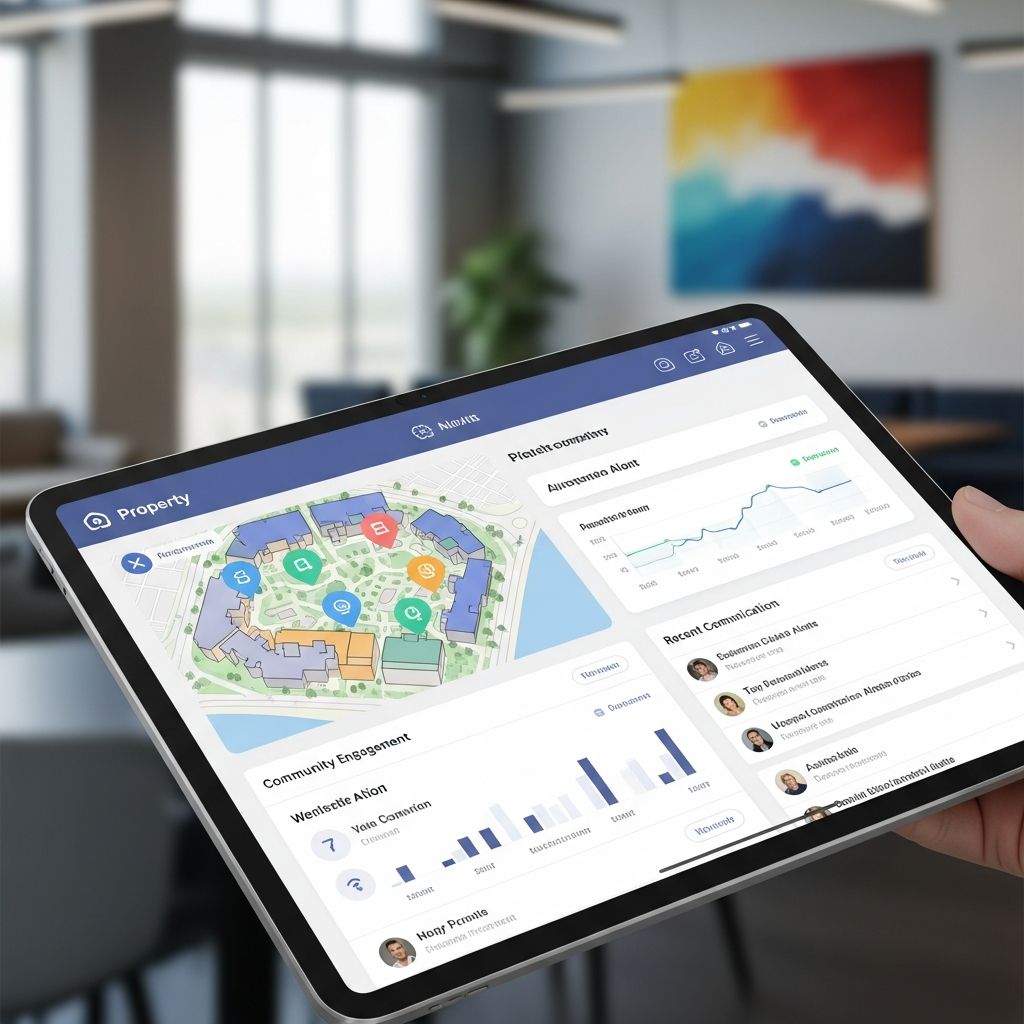
The landscape of property management has undergone significant transformation over the past decade, driven largely by technological innovation and the increasing complexity of managing diverse stakeholder groups. Digital community platforms have emerged as indispensable tools for organizations responsible for overseeing residential complexes, commercial towers, and large-scale housing communities. These solutions address a critical gap in how property owners, tenants, committee members, and management professionals collaborate and share essential information.
Understanding the Ecosystem of Modern Property Management Technology
Property management encompasses a multifaceted set of responsibilities that extend far beyond simple rent collection or maintenance scheduling. Today’s property managers must juggle communication with multiple stakeholder groups, maintain transparent financial records, coordinate maintenance activities, and ensure compliance with regulatory requirements. The challenge intensifies when managing large residential complexes or commercial towers where hundreds or thousands of individuals need coordinated access to relevant property information.
Digital collaboration platforms designed specifically for property management environments serve as centralized hubs where all stakeholders can interact within a secure, controlled environment. These systems facilitate the exchange of information between property owners who may live off-site, residents who need to report maintenance issues, committee members overseeing building governance, and professional managers coordinating day-to-day operations.
Core Functionalities That Drive Operational Efficiency
Modern property management platforms incorporate several essential functional components that collectively streamline operations and enhance communication:
Unified Communication Infrastructure
Rather than relying on email chains, physical notices, or fragmented messaging systems, contemporary digital platforms consolidate all communication channels into a single accessible location. This approach ensures that critical announcements, maintenance updates, and community information reach all intended recipients simultaneously, reducing the risk of miscommunication or missed messages. The transparency inherent in these centralized systems creates accountability and provides an auditable record of all communications.
Document and Information Management
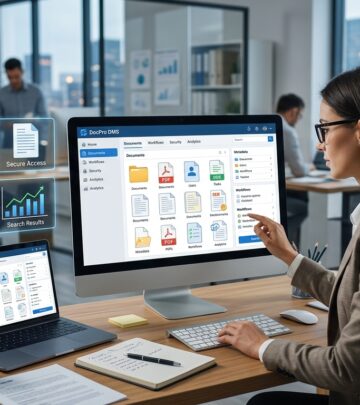
Property management generates substantial documentation including financial reports, maintenance records, meeting minutes, building policies, and compliance certificates. Digital platforms organize these materials in searchable, categorized repositories where authorized users can quickly locate relevant information. This eliminates the inefficiency of managing physical filing systems or hunting through email archives for historical documents.
Maintenance Request Processing
Residents and property users can submit maintenance requests directly through the platform, eliminating the need for phone calls, in-person meetings, or paper forms. The system tracks requests through their lifecycle, providing status updates to residents and enabling managers to prioritize work orders based on urgency and resource availability. This streamlined workflow improves response times and reduces administrative overhead.
Financial and Accounting Integration
Many property management platforms incorporate accounting features that facilitate transparent financial reporting, expense tracking, and payment processing. This integration enables property owners and committee members to access financial information without requiring separate accounting software systems or manual compilation of reports.
Operational Benefits Observed Across Property Management Organizations
Organizations implementing digital community platforms consistently report measurable improvements in operational performance. The elimination of paper-based processes reduces physical storage requirements and associated costs. More significantly, the transition to digital workflows accelerates decision-making by providing stakeholders with instant access to relevant information.
Dashboard interfaces presenting real-time data enable property managers and committee members to monitor building performance metrics, identify emerging issues, and respond proactively rather than reactively. This shift toward data-informed management reduces unexpected disruptions and enables preventive maintenance scheduling that extends asset lifespan.
The comprehensive audit trails maintained by digital platforms enhance accountability throughout the organization. When questions arise about past decisions, communication, or maintenance actions, the system provides documented evidence of what occurred and when. This documentation capability proves particularly valuable in dispute resolution scenarios.
Accessibility and User Experience Considerations
The effectiveness of any property management platform depends substantially on user adoption rates. When systems present complex interfaces or require extensive training, certain stakeholder groups may struggle to engage effectively. Leading digital solutions prioritize intuitive design that permits users with varying technological proficiency levels to accomplish necessary tasks without excessive support requirements.
Mobile accessibility represents a critical feature in contemporary platform design. Residents need the ability to submit maintenance requests from their smartphones, receive notifications about community announcements while away from their units, and access building information from any location. Similarly, maintenance personnel and property managers require mobile access to task lists, maintenance schedules, and priority updates.
The authentication mechanisms embedded in these platforms must balance security requirements with user convenience. Multi-factor authentication protects sensitive information, while single sign-on capabilities and permission-based access ensure users only see information relevant to their role within the property organization.
Scalability Across Different Property Management Contexts
Digital community platforms demonstrate remarkable scalability, functioning effectively for small property management companies overseeing individual buildings through large enterprises coordinating operations across multiple properties. The underlying technology infrastructure adapts to different organizational structures, regulatory requirements, and stakeholder compositions.
Small property management firms benefit from reduced administrative burden and improved professionalism through platform adoption. These organizations can compete more effectively with larger competitors by offering transparent communication channels and rapid maintenance response capabilities that digital systems enable.
Large-scale property managers leverage these platforms’ capacity to standardize processes across numerous properties while accommodating property-specific variations in policies, communication styles, and organizational structures. This balance between standardization and flexibility enables enterprise-level organizations to maintain operational consistency while respecting individual property characteristics.
Security and Data Protection Mechanisms
Property management platforms necessarily handle sensitive information including personal details, financial records, and building systems data. Robust security measures protect this information from unauthorized access and potential data breaches. Encryption technologies secure data in transit and at rest, while access controls ensure individuals only access information appropriate to their role.
Regular security audits and compliance certifications provide assurance to stakeholders that their information receives proper protection. Cloud-based infrastructure implementations typically offer redundancy and backup systems that protect against data loss from hardware failures or localized disasters.
Privacy Considerations in Multi-User Environments
Within property management contexts, different stakeholder groups require different information access levels. Committee members might require full access to financial information, while individual residents need visibility into community announcements but not private ownership details. Sophisticated permission systems enable organizations to grant precisely calibrated access permissions aligned with each individual’s role.
Integration Capabilities with Existing Business Systems
Mature property management organizations typically operate multiple software systems handling accounting, human resources, tenant screening, and other functions. Modern digital platforms provide integration capabilities allowing these systems to exchange information automatically rather than requiring manual data entry across multiple systems. This integration reduces errors, improves data consistency, and eliminates duplicate administrative work.
API (Application Programming Interface) availability enables property management companies to customize their technology ecosystem by connecting the platform with specialized tools addressing specific operational needs. This extensibility allows organizations to build technology solutions specifically matched to their operational requirements.
Change Management and Organizational Adoption
Implementing new technology systems represents significant organizational change that can face resistance from employees and users accustomed to existing workflows. Successful implementations include comprehensive training programs, clear communication about system benefits, and change management support helping stakeholders transition to new processes.
Organizations that invest in user adoption strategies typically experience faster realization of platform benefits and higher long-term satisfaction. Executive sponsorship, department champions who advocate for new systems, and ongoing support resources all contribute to successful implementation outcomes.
Comparative Analysis of Platform Capabilities
| Functional Area | Stakeholder Benefit | Implementation Impact |
|---|---|---|
| Maintenance Request Tracking | Rapid issue resolution and status visibility | Reduced administrative workload |
| Communication Centralization | Ensures message delivery and reduces miscommunication | Eliminates multiple messaging channels |
| Financial Reporting | Transparent budget information and payment processing | Streamlined accounting processes |
| Document Management | Easy access to policies and historical records | Reduced paper handling and storage |
| Mobile Accessibility | On-demand access from any location | Improved resident satisfaction |
Industry-Specific Applications and Variations
While core functionality remains consistent across property types, digital community platforms adapt to specific industry segments. Residential apartment buildings emphasize features supporting community building and resident communication. Commercial office towers prioritize facilities management, visitor management, and integration with enterprise systems. Mixed-use developments require sophisticated capability to manage distinct occupant groups with different information needs and access requirements.
Future Directions in Property Management Technology
Emerging technological trends continue reshaping property management capabilities. Artificial intelligence applications enable predictive maintenance by analyzing equipment performance data and identifying likely failure points before problems occur. Advanced analytics provide insights into energy consumption patterns, enabling property managers to identify efficiency opportunities.
Internet of Things (IoT) integration connects building systems including HVAC, lighting, and security directly to management platforms. This connectivity enables real-time monitoring, automated alerts when parameters fall outside desired ranges, and optimization of building operations based on occupancy patterns and environmental conditions.
Blockchain technology exploration addresses specific challenges in property management including secure document handling, transparent transaction recording, and smart contract implementation for routine operational tasks. While still emerging, these technologies show promise for enhancing transparency and reducing fraud risk.
Selecting Appropriate Solutions for Organizational Needs
Property management organizations evaluating digital platforms should assess their specific operational requirements, user populations, and integration needs. Critical evaluation criteria include user interface intuitiveness, mobile capabilities, security certifications, integration flexibility, vendor stability, and total cost of ownership.
Organizations should engage representatives from different stakeholder groups in platform evaluation to ensure selected solutions address needs across all user categories. Pilot implementations or extended trial periods help organizations validate that platforms function effectively within their specific operational context before full-scale deployment.
Conclusion: Digital Transformation as Operational Imperative
Digital community management platforms represent more than technological improvements; they embody a fundamental shift in how property organizations approach stakeholder communication, operational coordination, and information management. By consolidating fragmented processes into unified, accessible systems, these platforms improve responsiveness, enhance transparency, and enable evidence-based decision-making.
As property management becomes increasingly complex and stakeholder expectations for communication and transparency escalate, digital platform adoption has transitioned from optional competitive advantage to operational necessity. Organizations embracing these tools position themselves to deliver superior resident experiences, operate more efficiently, and maintain compliance with evolving regulatory requirements in the property management sector.
References
- Cloud Computing and Real Estate Management Technology — International Organization for Standardization (ISO). 2024. https://www.iso.org/
- Facility Management Standards and Digital Infrastructure — American Facility Management Association. 2025. https://www.ises.org/
- Property Management Software: Industry Analysis and Trends — Gartner Inc. 2025. https://www.gartner.com/
- Data Security in Cloud-Based Property Management Systems — National Institute of Standards and Technology (NIST). 2024. https://www.nist.gov/
- User Experience in Business Software Applications — Nielsen Norman Group. 2025. https://www.nngroup.com/
Similar Articles



Read full bio of Sneha Tete