DocLogix Review: Document Management Through Real User Feedback
In-depth look at DocLogix document management software using real-world user experiences, benefits, challenges, and best practices.

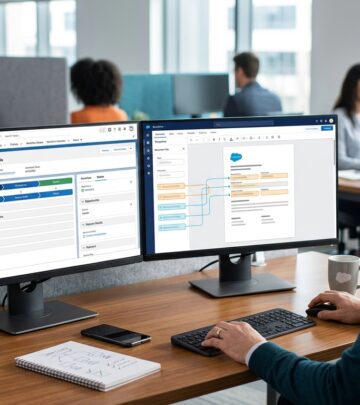
DocLogix is a document and process management platform designed to help organizations control their information, automate workflows, and meet compliance needs. Reviews gathered on TrustRadius highlight how real companies use the system day to day, what they appreciate most, and where they encounter friction. This article synthesizes those user insights into a structured, practical review to help you decide whether DocLogix is a good fit for your team.
What DocLogix Is Designed to Do
At its core, DocLogix focuses on storing, organizing, routing, and governing business documents across an entire organization. Users describe it less as a simple file repository and more as a configurable platform for managing processes built around documents.
Typical goals companies pursue with DocLogix include:
- Centralizing scattered files and email attachments into a controlled repository.
- Standardizing approval chains for contracts, invoices, HR forms, and internal requests.
- Ensuring each document follows an auditable lifecycle from creation to archiving.
- Meeting regulatory and internal policy requirements for retention and access control.
- Reducing manual, paper-based, or email-driven processes.
DocLogix is typically adopted by organizations that have moved beyond basic network folders or entry-level cloud storage and now require structured workflows, advanced search, and complex permissions.
Core Capabilities Highlighted by Users
User reviews on TrustRadius surface several capabilities that define the DocLogix experience.
Document Repository and Classification
DocLogix serves as a central repository where documents can be stored, versioned, and organized. Users frequently mention granular classification as a core strength:
- Metadata-driven organization: Documents can be tagged with structured attributes such as department, project, customer, contract type, or expiration date. This approach goes beyond traditional folder structures and supports complex retrieval scenarios.
- Version control: The system tracks document revisions so users can see history and, where configured, revert to earlier versions.
- Access control: Permissions can be configured at various levels to ensure sensitive content is visible only to authorized roles or individuals.
Compared with simple file storage tools, this classification approach is more aligned with records management practices recommended by information governance standards and professional guidelines.1
Workflow Automation and Approvals
One of the primary reasons organizations choose DocLogix, according to reviewers, is its ability to orchestrate approval workflows. These may include:
- Multi-step approval chains for purchasing, invoices, and contracts.
- HR processes such as onboarding, leave requests, and policy acknowledgments.
- Quality management flows associated with nonconformity reports or change requests.
Users describe the workflow engine as highly customizable, with options for conditional routing, deadlines, and notifications. This aligns with broader industry trends where workflow automation is seen as a way to reduce cycle times and error rates in routine administrative processes.2
Search, Filters, and Retrieval
Because documents are enriched with metadata, DocLogix supports flexible search capabilities. In reviews, users emphasize:
- Search by attributes (e.g., customer name, contract number, document status).
- Combining filters (date ranges, departments, document types) to quickly narrow results.
- Text search within documents when appropriate indexing and OCR are set up.
Many organizations adopt document management solutions precisely to avoid the productivity losses associated with poor information retrieval. Studies estimate that knowledge workers can spend a substantial portion of their time searching for information across fragmented systems.3
Customization and Configurability
A recurring theme in the TrustRadius feedback is that DocLogix is highly configurable. Users mention the ability to:
- Define custom document types and metadata fields tailored to their industry.
- Design unique workflows that reflect existing organizational processes.
- Adjust forms, views, and dashboards to match user roles.
This level of configurability can be a major asset, particularly for organizations with specialized regulatory requirements or complex internal structures. However, as several reviewers note, this flexibility also introduces complexity, especially during initial setup.
User Experience: What Reviewers Like
Analysis of user feedback shows a cluster of strengths that are consistently referenced when reviewers rate DocLogix favorably.
Centralization and Transparency
Reviewers often highlight how DocLogix helps consolidate documents and make processes visible. Typical outcomes reported include:
- Reduced reliance on email attachments and network drives.
- Clear visibility into where a document is in its workflow and who is responsible for the next step.
- Shared understanding of which version of a document is current.
This transparency is especially valued in multi-department organizations where ownership over documents and processes can otherwise be ambiguous.
Support for Compliance and Audits
Many organizations select DocLogix in industries such as government, finance, manufacturing, or utilities, where audit trails and retention rules are critical. Users mention benefits such as:
- Traceable history of actions (who created, edited, approved, or viewed a document).
- Retention controls that help ensure documents are kept or disposed of according to policy.
- Structured processes that reduce reliance on informal workarounds.
These capabilities are consistent with general expectations for enterprise document management systems used to support regulatory compliance and records management standards.4
Alignment with Business Processes
Because DocLogix is configurable, reviewers appreciate the ability to align the system with their real-world processes rather than forcing the organization to adopt a rigid template. This is particularly valuable for:
- Organizations with complex approval hierarchies.
- Companies operating in multiple jurisdictions or business lines.
- Teams that want to preserve existing process logic while digitizing it.
Users who invest the time to model their processes in DocLogix often report that the resulting workflows feel natural and easy to follow for end users.
Common Challenges and Criticisms
Despite its strengths, reviewers on TrustRadius also report several recurring pain points. Understanding these can help prospects anticipate implementation needs and potential trade-offs.
Implementation Effort and Learning Curve
One of the most frequently mentioned challenges is the complexity of initial setup. Because DocLogix allows detailed configuration, organizations must:
- Define document types, metadata schemas, and permissions structures.
- Design workflows and test them thoroughly.
- Train administrators and end users on new processes and the system interface.
Users sometimes describe the system as less intuitive for non-technical staff at the beginning, especially when they have little prior exposure to structured document management tools. This is consistent with broader observations that adoption of enterprise information systems often depends heavily on change management and training, not just software features.5
User Interface and Usability
Opinions about the interface vary. Some reviewers consider it straightforward once configured, while others note that the interface can feel dated or cluttered, particularly when many fields and actions are exposed on a single screen. Common usability concerns include:
- Too many data fields in certain forms, which can overwhelm casual users.
- Navigational elements that take time to learn.
- A need for better contextual help or onboarding for new users.
Administrative users are more likely to tolerate the complexity because they benefit from the configurability, while occasional users may prefer a more streamlined, task-focused experience.
Performance and Scalability Considerations
Performance feedback varies depending on deployment and volume. Some reviewers report smooth operation, while others mention slower response times when handling very large repositories or complex queries. Performance can be influenced by:
- Infrastructure decisions (on-premises vs cloud hosting, hardware resources).
- Indexing and database optimization.
- Complexity of workflows and custom scripts.
Organizations planning large-scale deployments should involve IT teams early to design infrastructure capable of handling anticipated volumes and usage patterns.
Integration Complexity
Users note that DocLogix can integrate with other systems, but the ease of doing so depends on the target application and available APIs. Challenges they mention include:
- Custom integration work required for legacy line-of-business systems.
- Coordination between internal IT, DocLogix specialists, and third-party vendors.
- Ensuring that data models align across platforms.
These challenges are typical of enterprise software integration projects and are not unique to DocLogix, but they are important to factor into project timelines and budgets.
Use Cases and Industries Where DocLogix Fits Well
TrustRadius reviews indicate that DocLogix is used across multiple industries. The most common patterns include:
| Industry / Function | Typical Use of DocLogix | Key Benefits Reported |
|---|---|---|
| Government & Public Sector | Managing incoming/outgoing correspondence, internal approvals, policy documents, and citizen-related records. | Improved transparency, better audit trails, and controlled access to sensitive information. |
| Manufacturing & Utilities | Quality management documents, engineering changes, safety reports, and supplier contracts. | Standardization of processes, regulatory compliance support, and clearer responsibility tracking. |
| Financial Services | Contracts, client documentation, risk assessments, and internal approvals. | Higher level of control over sensitive documents and well-defined approval workflows. |
| Corporate Services & Shared Service Centers | HR documents, procurement, legal agreements, and internal service requests. | Faster request processing, reduction of email-based approvals, and increased process visibility. |
Organizations that manage high volumes of structured documents and need clearly defined workflows tend to see the most value from DocLogix.
Implementation Tips Drawn from User Experiences
Although each organization is unique, user feedback suggests several practical lessons for implementing DocLogix successfully.
1. Invest in Process Mapping Before Configuration
Reviewers who report smoother implementations often emphasize that they documented their processes thoroughly before configuring the system. Recommended steps include:
- Mapping existing workflows (both formal and informal) and identifying pain points.
- Defining target processes that are realistic yet simplified where possible.
- Aligning stakeholders on approval chains and responsibilities.
This groundwork can prevent costly rework later and ensures DocLogix reflects actual business needs rather than hypothetical designs.
2. Start with Priority Use Cases
Instead of trying to digitize every process at once, several reviewers suggest starting with a few high-impact workflows—such as invoice approvals or contract lifecycle management—then expanding gradually. This phased approach offers several advantages:
- Quicker visible wins for stakeholders.
- Opportunities to refine configuration practices.
- Time to gather user feedback and improve training materials.
3. Design for Usability, Not Just Compliance
While compliance features are crucial, implementations that focus solely on controls can create unnecessarily complex screens and data requirements. To balance usability and governance:
- Distinguish between mandatory metadata and optional details.
- Hide advanced fields from users who do not need them.
- Use clear, business-friendly terminology for field labels and buttons.
Engaging representatives from different user groups during design can help prevent an overly technical interface.
4. Plan for Training and Change Management
Given the shift from email or shared drives to a structured DMS, user training is essential. Successful organizations typically:
- Create role-based training sessions and simple quick-reference guides.
- Provide hands-on practice with realistic scenarios.
- Offer ongoing support channels during and after launch.
Research on enterprise systems adoption consistently shows that training and communication are key determinants of project success, often as important as the technology itself.5
How DocLogix Compares Conceptually to Other DMS Solutions
TrustRadius reviewers sometimes compare DocLogix to more generic file storage or other document management tools. While specific products differ, several conceptual distinctions emerge:
- Depth of workflow: DocLogix emphasizes configurable, multi-step workflows rather than simple approval toggles or basic sharing controls.
- Structured metadata: The platform encourages organizations to build detailed metadata models, supporting more advanced retrieval and reporting than unstructured folder hierarchies.
- On-premises and regulated use cases: DocLogix is often adopted by organizations with strict data residency, security, or compliance requirements, where consumer-oriented cloud storage may not suffice.
For teams looking for a lightweight, low-configuration file-sharing tool, a fully featured DMS like DocLogix may feel heavy. For organizations that need rigorous control and formal workflows, the additional structure is typically seen as an advantage.
Who Should Consider DocLogix?
Based on user feedback patterns, DocLogix is best suited to organizations that meet several of the following criteria:
- Handle large volumes of documents with clear business value (contracts, compliance records, quality documents, etc.).
- Operate in regulated or process-driven industries where auditability and control are essential.
- Have internal resources or partners capable of participating in configuration, integration, and change management.
- Are willing to invest time in defining processes and training users to gain long-term efficiencies.
Smaller teams with simple needs may find that they can meet their requirements with lighter-weight tools. However, for mid-sized and larger organizations that feel constrained by basic file storage or email-driven approvals, DocLogix can provide a more robust framework for document-centric work.
Frequently Asked Questions
Is DocLogix suitable for small businesses?
DocLogix can technically be used by small organizations, especially those in regulated industries, but reviewers suggest its strengths are most evident when an organization has complex workflows, multiple departments, or significant compliance requirements. For very small teams with simple approval needs, the configuration effort may outweigh the benefits.
How difficult is it to customize DocLogix?
Customization is one of DocLogix’s key selling points. Reviews indicate that the platform offers robust tools for configuring document types, metadata, workflows, and interfaces. However, this flexibility comes with a learning curve. Many organizations choose to work closely with DocLogix consultants or internal power users during setup to ensure configurations align with business goals.
Can DocLogix help with regulatory compliance?
Yes. Users report that DocLogix supports regulatory compliance efforts by providing audit trails, access controls, retention management, and standardized workflows. It does not replace legal or regulatory expertise, but it can provide the structured environment needed to implement and enforce compliance-related policies.
What kind of training do end users typically need?
Training needs vary based on user roles. Regular users generally require orientation on navigation, document search, task handling, and basic approvals. Power users and administrators need more in-depth training on configuration, workflow design, and permissions. Many organizations find that short, role-focused sessions supplemented by step-by-step guides work well.
How does DocLogix perform when dealing with large repositories?
Reviewers report that performance depends on infrastructure, configuration, and repository size. When the system is properly sized and tuned, most everyday operations are handled smoothly. However, organizations with very large repositories or complex workflows may need to pay special attention to hardware resources, indexing, and database optimization to maintain good response times.
References
- General Records Schedule — U.S. National Archives and Records Administration (NARA). 2023-06-01. https://www.archives.gov/records-mgmt/grs
- State of Workflow Automation 2023 — Workato. 2023-03-15. https://www.workato.com/reports/workflow-automation-report
- The Knowledge Worker’s Challenge: Finding What Matters — International Data Corporation (IDC). 2019-06-01. https://www.idc.com/getdoc.jsp?containerId=US45213219
- ISO 15489-1:2016 Information and Documentation — Records Management — International Organization for Standardization (ISO). 2016-04-15. https://www.iso.org/standard/62542.html
- User Participation and Involvement in Information Systems Implementation — Barki, H., & Hartwick, J., Information & Management (Elsevier). 1994-10-01. https://doi.org/10.1016/0378-7206(94)90053-1
Similar Articles







Read full bio of Sneha Tete