
Enterprise Workload Management Solutions Review
Comprehensive analysis of intelligent workload optimization platforms for modern IT operations

In today’s complex IT landscape, managing workloads efficiently across diverse infrastructure environments has become a critical operational challenge. Organizations face mounting pressure to optimize resource utilization, control costs, and maintain consistent application performance. Enterprise workload management solutions have emerged as essential tools for addressing these interconnected demands, providing automated mechanisms to distribute computing resources intelligently across data centers and cloud environments.
The Evolution of Infrastructure Resource Management
The journey toward automated workload management reflects broader transformations within the IT industry. As organizations transitioned from static, on-premises-only infrastructure to hybrid environments encompassing both traditional data centers and public cloud platforms, the complexity of resource allocation increased exponentially. Manual intervention became inadequate for managing thousands of virtual machines, containers, and cloud instances simultaneously. This necessity drove the development of intelligent systems capable of analyzing workload patterns, predicting resource demands, and making autonomous decisions about resource distribution.
Modern workload management platforms represent a significant evolution from earlier monitoring tools. Rather than simply observing infrastructure performance, these systems actively intervene to optimize resource allocation, automatically adjusting computational capacity to match application demands in real time. This proactive approach fundamentally changes how organizations approach infrastructure management, shifting from reactive problem-solving to predictive optimization.
Core Capabilities That Define Modern Solutions
Leading workload management platforms share several fundamental capabilities that distinguish them from conventional infrastructure monitoring tools:
- Real-time Performance Analytics: Continuous analysis of application demand patterns and infrastructure resource consumption enables platforms to identify optimization opportunities instantly rather than through periodic manual reviews.
- Automated Resource Orchestration: Systems can automatically adjust workload placement, reallocate computing resources, and modify virtual machine configurations without requiring manual intervention from IT administrators.
- Cross-platform Compatibility: Modern solutions operate seamlessly across heterogeneous environments, managing workloads distributed across on-premises servers, private cloud infrastructure, and multiple public cloud providers simultaneously.
- Cost Optimization Intelligence: Platforms analyze infrastructure expenses and automatically select the most cost-effective resource configurations, instance types, and storage options based on workload requirements.
- Compliance and Performance Balancing: Advanced solutions maintain security and regulatory compliance requirements while optimizing performance, preventing conflicts between operational efficiency and governance objectives.
Implementation Across Diverse Industry Sectors
Workload management solutions have gained widespread adoption across multiple industry verticals, each benefiting from customized approaches to resource optimization:
Financial Services: Banks and investment firms rely on these platforms to manage mission-critical applications while maintaining strict security protocols and regulatory compliance requirements. The ability to automatically scale resources during market volatility while controlling infrastructure costs proves particularly valuable in this sector.
Healthcare Organizations: Medical institutions depend on consistent application performance for patient care systems, electronic health records, and research workloads. Intelligent workload management ensures critical healthcare applications receive necessary resources while optimizing infrastructure investments.
Retail and E-commerce: Retailers face dramatic fluctuations in computational demand during peak shopping periods. Automated workload optimization enables these organizations to scale infrastructure dynamically, managing traffic spikes without overprovisioning resources during slower periods.
Manufacturing and Industrial: Industrial organizations increasingly depend on cloud-connected systems for supply chain management, production monitoring, and logistics optimization. Workload management platforms help these enterprises balance operational efficiency with infrastructure costs.
User Experience and Interface Design Considerations
The effectiveness of workload management platforms depends significantly on how well they present complex information to IT professionals. Leading solutions prioritize intuitive interfaces that make sophisticated optimization capabilities accessible without requiring extensive training:
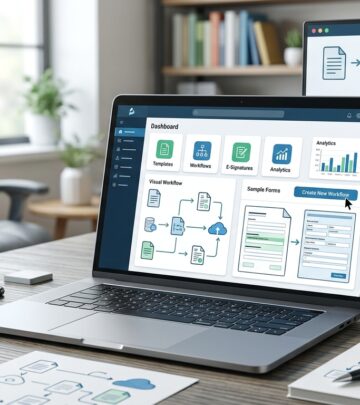
- Dashboards that provide at-a-glance visibility into infrastructure health and optimization status
- Simplified workflows for common management tasks, reducing the cognitive load on IT staff
- Customizable views that allow administrators to focus on metrics most relevant to their specific responsibilities
- Clear visualization of resource allocation decisions and their business impact
- Seamless navigation between historical performance data and real-time operational metrics
However, the tradeoff between feature richness and user accessibility presents ongoing challenges. Platforms offering comprehensive functionality may require more extensive training for new users to understand all available capabilities. Organizations must balance the desire for advanced features with practical requirements for operator proficiency.
Integration with Existing Enterprise Systems
Successful workload management implementations depend critically on smooth integration with existing infrastructure components. Modern platforms must connect effectively with:
- Hypervisor platforms that manage virtual machine execution
- Cloud provider APIs and management interfaces
- Storage systems and database infrastructure
- Network management and orchestration tools
- Monitoring and observability platforms
- IT service management systems
- Configuration management databases
Integration complexity varies significantly depending on the existing technology stack within an organization. Some environments feature standardized platforms that simplify connectivity, while others support diverse technologies requiring custom integration work. Modern solutions increasingly adopt API-first architectures that facilitate integration with both established and emerging infrastructure platforms.
Performance Monitoring and Operational Reliability
Organizations implementing workload management solutions consistently report high operational reliability and minimal disruptions during implementation and ongoing management. The stability of these platforms directly impacts their value proposition, as infrastructure optimization requires sustained, trustworthy operation.
Key reliability attributes include:
- Minimal downtime during software updates and maintenance operations
- Robust error handling that prevents cascading failures when individual components experience problems
- Automatic failover capabilities that maintain optimization functionality during hardware failures
- Comprehensive logging and audit trails that support troubleshooting and compliance verification
- Regular performance improvements that enhance system stability over time
Pricing Models and Licensing Flexibility
Workload management platforms employ various licensing approaches to accommodate different organizational sizes and usage patterns. Understanding these options is essential for organizations evaluating solutions:
Subscription-based Licensing: Many vendors offer recurring subscription models where customers pay annually for access to the platform, with costs typically based on infrastructure scale or number of managed workloads. This approach aligns costs with active usage and simplifies budget planning.
Tiered Capacity Licensing: Some platforms structure pricing around infrastructure size metrics, such as number of managed servers or cloud instances. Organizations can select tiers matching their current infrastructure scale and adjust as requirements grow.
Feature-based Licensing: Advanced platforms may offer base subscriptions with optional modules for specialized functionality, allowing organizations to select only the capabilities they require.
Flexibility and Growth Accommodation: Leading vendors structure licensing to accommodate organizational growth without requiring complete contract renegotiation. This flexibility supports long-term partnerships and enables organizations to expand platform usage gradually.
Vendor Support and Implementation Services
The quality of vendor support significantly influences the success of workload management implementations. Comprehensive support encompasses:
- Initial deployment assistance ensuring correct platform configuration and infrastructure integration
- Ongoing technical support addressing questions and resolving operational issues
- Professional services that help organizations develop optimization strategies and best practices
- Training programs that build internal expertise among IT staff
- Community resources and documentation supporting self-service problem resolution
- Regular consultation on platform feature utilization and optimization opportunities
Organizations should evaluate vendor support capabilities carefully, considering both reactive technical support and proactive guidance that helps maximize platform value.
Comparison Table: Key Platform Attributes
| Attribute | Typical Capabilities |
|---|---|
| Real-time Analytics | Continuous monitoring with decision updates every few minutes |
| Cloud Support | Multi-cloud compatibility spanning major providers |
| Automation Scope | Workload placement, scaling, and resource reallocation |
| Integration Depth | Native connections to major infrastructure platforms |
| Compliance Support | Policy enforcement maintaining regulatory requirements |
Common Implementation Considerations
Organizations deploying workload management solutions should prepare for several typical implementation patterns:
Phased Rollout Strategies: Most successful deployments begin with pilot programs on non-critical infrastructure before expanding to production systems. This approach allows organizations to develop operational procedures and build team expertise gradually.
Legacy System Integration: Organizations with older infrastructure components sometimes face integration challenges. Modern platforms increasingly support legacy technologies, but compatibility should be verified during evaluation phases.
Cultural and Organizational Factors: Transitioning from manual management to automated optimization often requires cultural shifts within IT departments. Successful implementations include change management initiatives that help teams embrace new operational approaches.
Monitoring and Validation: Organizations should establish clear metrics for measuring optimization effectiveness, tracking cost reductions, performance improvements, and resource utilization changes during and after implementation.
Future Directions in Workload Management
The workload management landscape continues to evolve as infrastructure technologies advance. Emerging trends include:
- Enhanced machine learning capabilities that predict resource demands with greater accuracy
- Expanded support for containerized workloads and Kubernetes environments
- Deeper integration with DevOps toolchains and continuous deployment pipelines
- Improved cost visibility and optimization across complex multi-cloud environments
- Advanced security integration that optimizes resource allocation while maintaining threat prevention
Evaluation Framework for Prospective Users
Organizations considering workload management platform investments should establish comprehensive evaluation criteria:
- Infrastructure Compatibility: Verify that candidate platforms support all infrastructure technologies present in your environment, including hypervisors, cloud providers, and storage systems.
- Scalability and Performance: Confirm that platforms can manage the volume and complexity of workloads in your infrastructure without performance degradation.
- Integration Capabilities: Assess integration depth with existing monitoring, management, and ticketing systems your organization already operates.
- Cost-Benefit Analysis: Model expected cost savings against platform expenses, considering both direct savings and operational efficiency improvements.
- Vendor Stability and Roadmap: Research vendor financial stability, product roadmap alignment with your technology strategy, and long-term platform viability.
- Support and Services Quality: Evaluate vendor support responsiveness, implementation services availability, and training program comprehensiveness.
Conclusion
Enterprise workload management platforms represent fundamental enablers of modern IT operations, transforming how organizations approach resource optimization and infrastructure management. By automating complex allocation decisions, providing real-time performance visibility, and balancing multiple operational objectives simultaneously, these solutions help IT organizations achieve efficiency gains while maintaining application performance and regulatory compliance. Success requires careful evaluation, thoughtful implementation planning, and commitment to embracing automated optimization approaches that fundamentally change how infrastructure decisions get made.
References
- Cisco Workload Optimization Manager Product Overview — Cisco Systems, Inc. 2024. https://www.cisco.com/c/en/us/products/servers-unified-computing/workload-optimization-manager/index.html
- Technical Validation Report: Cisco Workload Optimization Manager — ESG (Enterprise Strategy Group) and Cisco Systems, Inc. 2020. https://www.cisco.com/c/dam/en/us/solutions/data-center/esg-technical-validation-cisco-cwom-mar-2020.pdf
- Workload Optimization Manager End-of-Life Announcement — Cisco Systems, Inc. 2024. https://www.cisco.com/c/en/us/products/collateral/cloud-systems-management/intersight/workload-optimization-manager-eol.html
- IBM Turbonomic: Transitioning from Cisco CWOM — IBM Corporation. 2024. https://www.ibm.com/new/announcements/transitioning-from-cisco-workload-optimization-manager-to-ibm-tu
Similar Articles






Read full bio of medha deb