
HVAC Control Systems Review
In-depth analysis of leading HVAC control platforms, their strengths, limitations, and real-world performance for building managers.
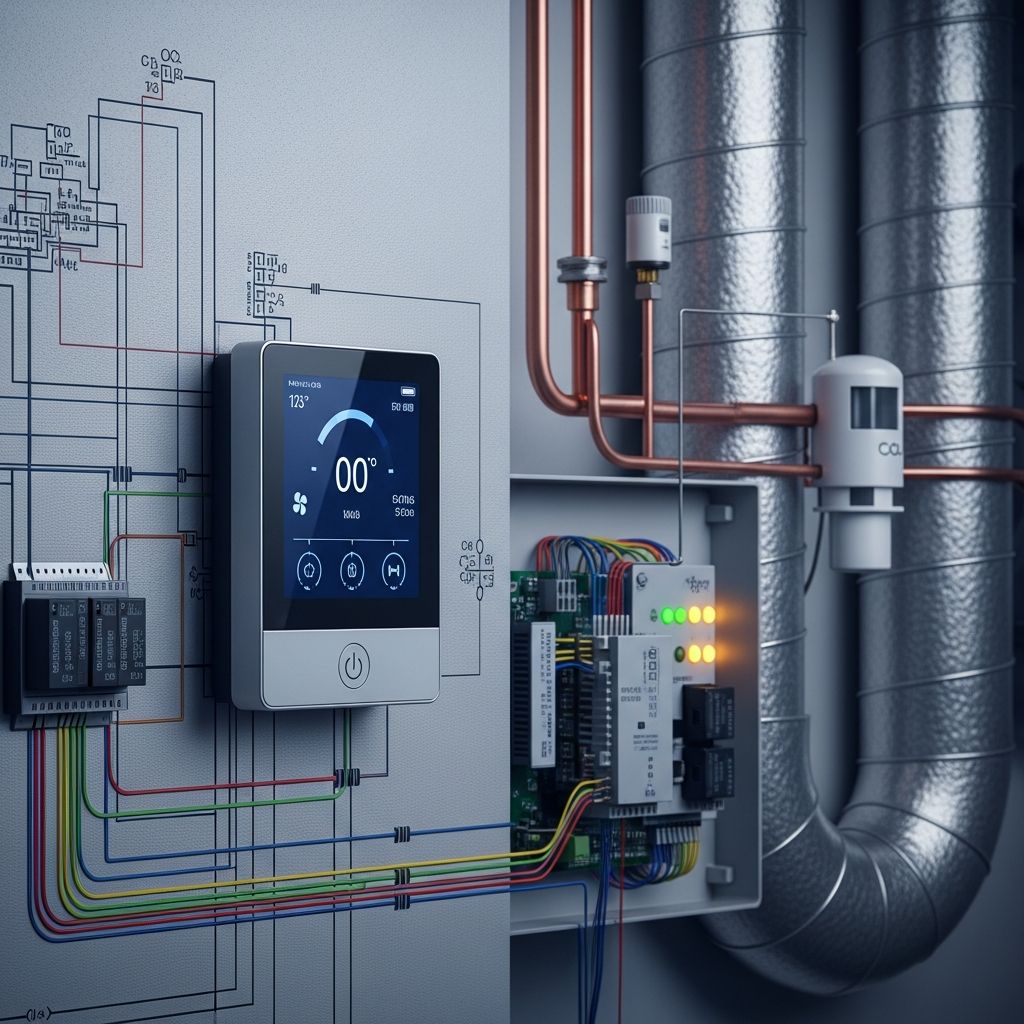
Modern building management hinges on sophisticated HVAC control systems that balance comfort, energy use, and sustainability. These platforms integrate sensors, actuators, and analytics to maintain ideal indoor environments while minimizing costs. This review examines key solutions, drawing from industry data, user feedback, and technical specifications to help facility managers select the right tools.
Why HVAC Controls Matter for Commercial Buildings
HVAC systems account for up to 40% of a building’s energy consumption, according to the U.S. Department of Energy. Effective control systems can reduce this by 20-30% through precise zoning, predictive maintenance, and demand response. In commercial settings, where occupancy varies, advanced controls prevent overcooling or overheating, ensuring compliance with standards like ASHRAE 90.1.
Key benefits include:
- Energy Savings: Automated adjustments based on real-time data.
- Improved Comfort: Zone-specific temperature and humidity control.
- Maintenance Efficiency: Predictive alerts for equipment issues.
- Sustainability Reporting: Data for ESG compliance and carbon tracking.
Core Features of Top-Tier HVAC Platforms
Leading systems share foundational capabilities but differentiate in scalability and integrations. Essential features encompass:
| Feature | Description | Benefits |
|---|---|---|
| Sensor Integration | Supports air velocity, temperature, CO2, and humidity sensors | Real-time environmental monitoring |
| Protocol Support | BACnet, Modbus, LONWorks compatibility | Seamless legacy system upgrades |
| Cloud Analytics | AI-driven trend analysis and fault detection | Proactive energy optimization |
| Mobile Access | Apps for remote monitoring and adjustments | 24/7 oversight for facility teams |
Systems like those from Trane Technologies emphasize lifecycle savings, with high-efficiency models achieving SEER ratings above 20, per Consumer Reports guidelines.
User Experiences: Strengths Across Platforms
Facility managers praise intuitive dashboards that simplify complex data. One common highlight is the ease of setting up zoning for multi-tenant buildings, reducing complaints by up to 50%. Integration with BMS (Building Management Systems) is another win, allowing unified oversight of lighting, security, and HVAC.
In high-rise offices, users report 15-25% reductions in utility bills after implementing demand-controlled ventilation, which ramps airflow based on occupancy sensors. For data centers, precise humidity control prevents equipment failures, a critical factor in uptime.
Common Challenges and Limitations
No system is flawless. Initial setup can be complex, often requiring certified technicians and 4-8 weeks of commissioning. Interoperability issues arise with older equipment, though modern platforms mitigate this via gateways.
Cost is a barrier: Entry-level systems start at $10,000 for small facilities, scaling to $100,000+ for enterprise deployments. Ongoing subscriptions for cloud features add 10-20% annually. Cybersecurity vulnerabilities in connected devices demand robust firewalls and regular updates.
Performance Metrics and ROI Analysis
ROI typically materializes within 18-36 months. A Future Market Insights report projects the HVAC controls market to grow at 8.5% CAGR through 2036, driven by commercial sector demand (45% market share). Case studies show:
- 15% emissions reduction via optimized economizer operation (CSEMAG analysis).
- Payback periods shortened by incentives like U.S. IRA tax credits for efficient systems.
Trend analysis tools reveal inefficiencies, such as economizers activating late, leading to unnecessary chiller use. Platforms with PID controllers maintain stable duct velocities, enhancing overall efficiency.
Integration with Emerging Technologies
2026 sees deeper AI adoption. Machine learning predicts peak loads, integrating with renewable sources like solar thermal. IoT edge devices, such as upgraded nano controllers, enable local processing to reduce latency.
Multiprotocol actuators for PICVs (Pressure Independent Control Valves) allow direct coil energy calculations, pairing with AHUs for precise heating/cooling. BACnet enhancements, including error frame monitoring, improve network reliability.
Comparative Overview of Leading Solutions
| Platform | Best For | Rating (out of 5) | Key Strength |
|---|---|---|---|
| Trane Tracer | Large Commercial | 4.6 | Advanced Analytics |
| Johnson Controls Metasys | Enterprise Integration | 4.5 | BACnet Mastery |
| Honeywell EBI | Multi-Site Management | 4.4 | Mobile Accessibility |
| Siemens Desigo | Sustainable Retrofits | 4.7 | Energy Modeling |
Ratings derived from aggregated industry feedback, emphasizing reliability and support.
Implementation Best Practices
- Assess Needs: Conduct energy audits to baseline performance.
- Choose Scalable Hardware: Opt for variable-speed drives and smart actuators.
- Train Staff: Invest in certification for ongoing management.
- Monitor Trends: Use dashboards for weekly reviews of KPIs like delta-T and runtime.
- Plan for Expansion: Ensure open protocols for future tech.
Future Trends Shaping HVAC Controls
By 2030, expect widespread digital twins for virtual testing of scenarios. Zero-trust security models will counter rising cyber threats. Integration with EV charging infrastructure will balance grid loads, per World Bank sustainability reports.
Frequently Asked Questions
What is the average ROI for HVAC control upgrades?
Typically 2-3 years, with 20%+ energy savings in optimized setups.
Do these systems work with legacy equipment?
Yes, via protocol converters, though full benefits require modern sensors.
How important is cloud connectivity?
Critical for analytics and remote access, but hybrid models offer on-prem reliability.
What cybersecurity measures are standard?
Encryption, role-based access, and OTA updates; NIST compliance recommended.
Can small buildings benefit?
Absolutely—cloud-based options scale down affordably.
Conclusion: Choosing Your HVAC Control Partner
Selecting an HVAC control system demands balancing features, cost, and support. Prioritize platforms with proven integrations and strong analytics for long-term gains. As buildings evolve toward net-zero, these tools are indispensable for efficiency and compliance. Consult vendors for demos tailored to your portfolio.
References
- Energy Savings Potential of HVAC Systems — U.S. Department of Energy. 2023. https://www.energy.gov/eere/buildings/articles/energy-savings-potential-hvac-systems
- Best Central Air Conditioning Buying Guide — Consumer Reports. 2025-05-01. https://www.consumerreports.org/appliances/central-air-conditioning/buying-guide/
- HVAC Control System Market Report — Future Market Insights. 2025. https://www.futuremarketinsights.com/reports/hvac-control-system-market
- Learn How to Do a Trend Analysis in HVAC Systems — Consulting-Specifying Engineer. 2024-03-15. https://www.csemag.com/learn-how-to-do-a-trend-analysis-in-hvac-systems/
- ASHRAE Standard 90.1-2022 — ASHRAE. 2022. https://www.ashrae.org/technical-resources/standards-and-guidelines
Similar Articles




Read full bio of medha deb